
Eye Infections & Allergies: Understanding the Difference
Red, itchy, or watery eyes can be more than just a minor annoyance. While many eye issues are caused by seasonal allergies, others are the result of bacterial or viral infections that require prompt medical treatment to prevent vision damage.
At Aditya Eye and Laser Centre, we provide precise diagnosis and targeted relief for all types of ocular surface disorders.
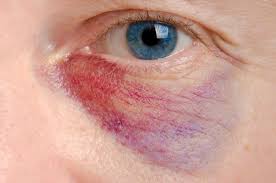
1. Eye Allergies (Allergic Conjunctivitis)
Eye allergies occur when your immune system overreacts to an environmental trigger. Unlike infections, allergies are not contagious.
-
Common Triggers: Pollen, dust mites, pet dander, mold, or strong perfumes.
-
Key Symptoms: * Intense itching (the hallmark of an allergy).
-
Clear, watery discharge.
-
Redness and puffiness of the eyelids.
-
Usually affects both eyes simultaneously.
-
Often accompanied by sneezing or a runny nose.LE
-
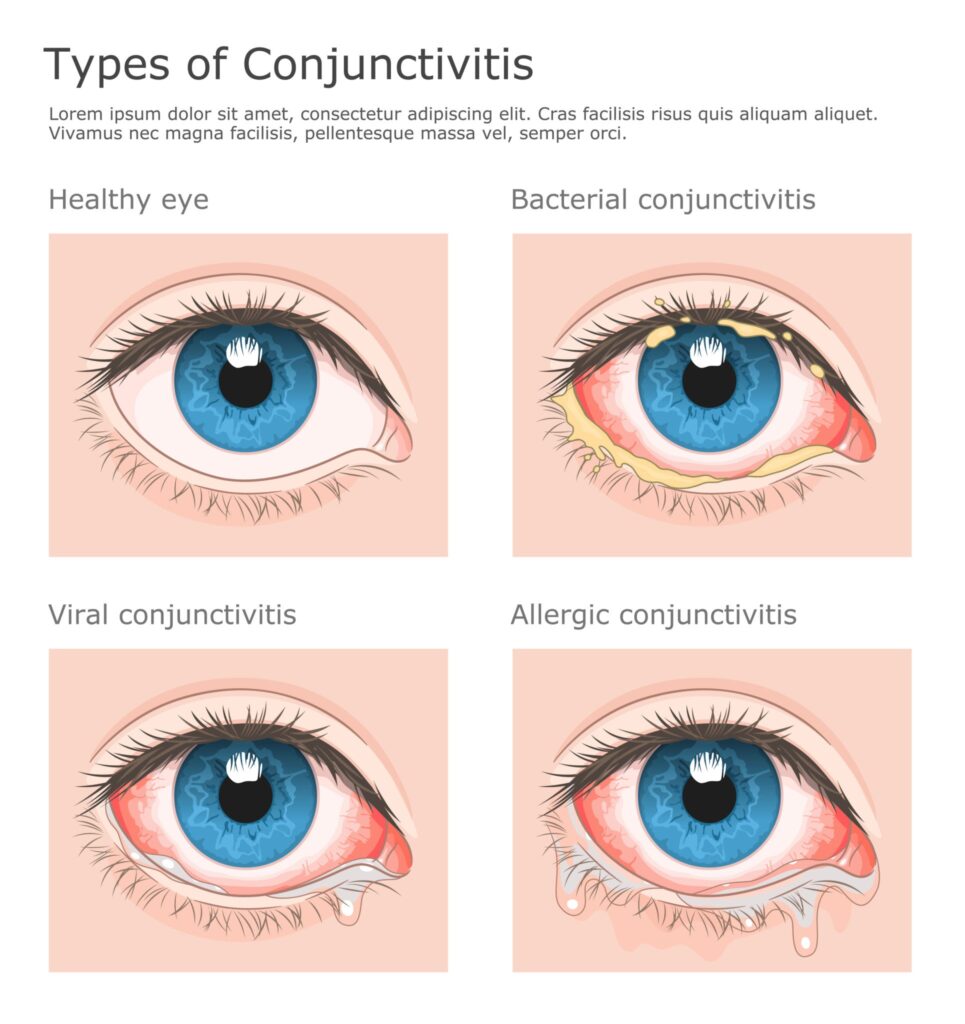
2. Eye Infections (Pink Eye & Beyond)
Infections are caused by harmful microorganisms like bacteria, viruses, or fungi. These often require prescription medication and can be highly contagious.
Common Types: Conjunctivitis (Pink Eye), Styes, and Keratitis (Corneal infection).
Key Symptoms:
Thick discharge: Yellow, green, or sticky mucus that may cause eyelashes to stick together.
Pain or Grittiness: A feeling like there is sand or a foreign object in the eye.
Sensitivity to Light: Discomfort when exposed to bright indoor or outdoor light.
One-Eye Start: Often begins in one eye before spreading to the other.
When to See a Specialist?
While a cool compress might offer temporary relief at home, you should visit Aditya Eye and Laser Centre immediately if you experience:
Reduced or blurred vision.
Moderate to severe eye pain.
Deep redness in the white of the eye.
Symptoms that don’t improve after 24 hours.
Our Approach to Treatment
We don’t believe in “one-size-fits-all” eye drops. Our specialists use advanced slit-lamp examinations to determine the exact cause of your irritation.
For Allergies: We provide long-acting antihistamine drops and mast-cell stabilizers.
For Infections: We prescribe targeted antibiotic or antiviral medications to clear the infection and prevent its spread to others.
Health Tip: Never share eye drops, towels, or makeup with others if your eyes are red. If you wear contact lenses, switch to glasses immediately and consult us to prevent a corneal ulcer.
Understanding Eye Infections: Causes, Symptoms, and Prevention
Our eyes are among the most sensitive organs in the body, constantly exposed to environmental pollutants, bacteria, and viruses. While the body has natural defense mechanisms like tears and eyelashes, certain conditions can lead to Eye Infections. These infections can range from mild irritations to severe conditions that, if left untreated, may permanently damage your vision.
What Causes Eye Infections?
Most infections are triggered by three primary culprits: bacteria, viruses, or fungi. Common types include Conjunctivitis (Pink Eye), Keratitis (inflammation of the cornea), and Styes. People who wear contact lenses are at a higher risk of developing Eye Infections if they do not follow strict hygiene protocols, such as washing hands before handling lenses or using expired cleaning solutions.
Common Symptoms to Watch For
Identifying an infection early is key to a fast recovery. You should look out for:
Redness and Swelling: The white part of the eye appears pink or bloodshot.
Discharge: Watery or thick, yellow/green mucus that may crust over the eyelids during sleep.
Pain and Itching: A persistent “gritty” feeling as if something is stuck in the eye.
Blurred Vision: A sudden decrease in clarity or sensitivity to bright light.
If you experience these signs, it is crucial to consult an ophthalmologist. Self-medicating with over-the-counter drops can sometimes worsen Eye Infections, especially if the cause is viral rather than bacterial.
Diagnosis and Treatment
A medical professional will typically examine the eye using a slit lamp or take a small sample of the discharge to determine the exact cause. Treatment depends entirely on the diagnosis:
Bacterial: Usually treated with antibiotic eye drops or ointments.
Viral: These often have to run their course, though lubricating drops can provide relief.
Fungal: Requires specialized antifungal medication.
Prompt medical intervention ensures that Eye Infections do not lead to scarring of the cornea or deeper internal inflammation.
Prevention: Protecting Your Sight
Prevention is always better than cure. To minimize your risk:
Avoid Touching Your Eyes: Your hands carry thousands of germs; rubbing your eyes transfers them directly to the ocular surface.
Practice Hand Hygiene: Wash your hands frequently with soap and water.
Lense Care: Never sleep in contact lenses unless prescribed, and always disinfect them properly.
Don’t Share Personal Items: Avoid sharing towels, makeup, or eye drops with others.
Conclusion
Your vision is a precious asset that requires proactive care. While most Eye Infections are easily treatable when caught early, ignoring the symptoms can lead to complications like corneal ulcers or vision loss. By maintaining high hygiene standards and seeking professional help at the first sign of discomfort, you can keep your eyes healthy and your vision clear for years to come.