
Dry Eye Syndrome: Restoring Comfort to Your Vision
Dry Eye Syndrome is an increasingly common condition that occurs when your eyes don’t produce enough tears, or when the tears evaporate too quickly. This results in inflammation and discomfort that can affect your daily productivity and overall quality of life.
At Aditya Eye and Laser Centre, we look beyond simple eye drops to identify the root cause of your dryness and provide long-lasting relief.
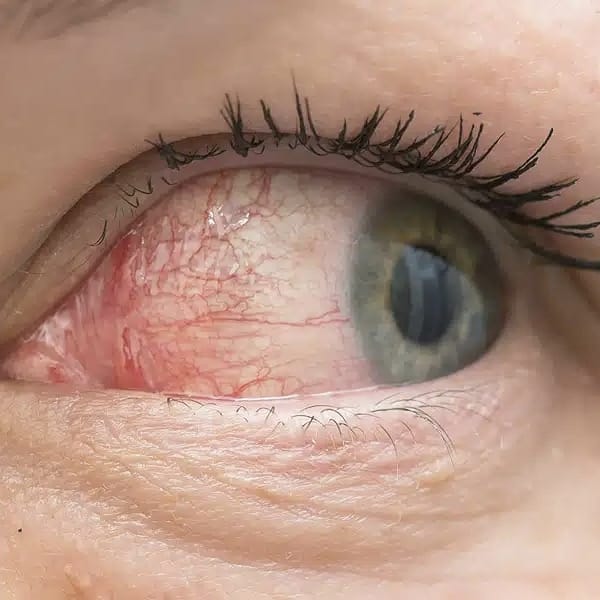
Common Symptoms of Dry Eyes
Many patients mistake dry eye for simple tiredness or allergies. Watch for these persistent signs:
Stinging or Burning: A constant sandy, gritty, or “scratchy” sensation (like something is in your eye).
Redness and Irritation: Eyes that look chronically tired or bloodshot.
Paradoxical Tearing: Watery eyes caused by the body overcompensating for dryness with “emergency” tears that lack the proper lubricating nutrients.
Blurred Vision: Sight that fluctuates or clears up temporarily after blinking.
Sensitivity to Light: Discomfort in bright environments or when looking at digital screens.
Difficulty with Contact Lenses: Discomfort or an inability to wear lenses for extended periods.
Modern Causes of Dry Eye
While aging and hormonal changes are factors, several modern triggers can worsen the condition:
Digital Eye Strain: Reduced blinking rates while using smartphones, tablets, and computers.
Environmental Factors: Exposure to air conditioning, ceiling fans, pollution, or dry climates.
Medical Conditions: Underlying issues like Sjögren’s syndrome, lupus, or thyroid disorders.
Advanced Dry Eye Management at Aditya Eye and Laser Centre
A “one-size-fits-all” approach rarely works for chronic dry eye. We offer a tiered treatment plan tailored to your specific tear film deficiency:
Diagnostic Tear Analysis: Using advanced technology to measure tear volume and quality (Tear Break-Up Time).
Medical Management: Prescription anti-inflammatory drops and specialized lubricants.
Meibomian Gland Expression: In-office procedures to clear blocked oil glands in the eyelids.
Punctal Plugs: Tiny, biocompatible inserts that prevent your natural tears from draining away too quickly.
Lifestyle Counseling: Practical advice on screen ergonomics, “Blink Training,” and nutritional supplements (like Omega-3s) to improve tear health.
Don’t Just Tolerate the Discomfort
Chronic dry eye can lead to corneal scarring if left untreated. If you find yourself reaching for “over-the-counter” drops multiple times a day without relief, it’s time for a professional evaluation.
Expert Tip: Follow the 20-20-20 Rule: Every 20 minutes, look at something 20 feet away for 20 seconds to give your eyes—and your tear film—a much-needed break.
Dry Eye Syndrome Treatment: Your Path to Lasting Relief
In our fast-paced digital world, many of us spend hours staring at screens, which often leads to persistent ocular discomfort. This condition, characterized by a lack of sufficient lubrication on the eye’s surface, can range from a minor annoyance to a serious health issue. Understanding the latest options for Dry Eye Syndrome Treatment is the first step toward restoring your comfort and protecting your long-term vision.
What Causes Dry Eyes?
Dry eyes occur when your eyes either don’t produce enough tears or produce poor-quality tears that evaporate too quickly. This is often linked to Meibomian Gland Dysfunction (MGD), where the oil glands in your eyelids become blocked. Common symptoms include a “gritty” feeling, redness, blurred vision, and sensitivity to light. If these symptoms sound familiar, seeking a specialized Dry Eye Syndrome Treatment is crucial to prevent corneal damage.
Modern Clinical Solutions
The medical landscape in 2026 offers revolutionary therapies that go far beyond basic eye drops. Depending on the severity of your condition, your doctor might recommend:
Thermal Pulsation (LipiFlow): This procedure uses gentle heat and pressure to unblock oil glands, restoring the natural lipid layer of your tears.
Intense Pulsed Light (IPL): A highly effective Dry Eye Syndrome Treatment that reduces inflammation around the eyelids and stimulates gland function.
Punctal Plugs: These tiny, biocompatible inserts are placed in the tear ducts to keep your natural moisture on the eye surface for longer periods.
Prescription Medications: Advanced drops like Cyclosporine or newer nasal sprays help increase your body’s natural tear production.
Home Care and Lifestyle Adjustments
While clinical intervention is often necessary for chronic cases, you can support your Dry Eye Syndrome Treatment with simple daily habits. Following the 20-20-20 rule—looking 20 feet away for 20 seconds every 20 minutes—can significantly reduce digital eye strain. Additionally, using a humidifier in your room and staying hydrated ensures your body has the resources it needs to maintain eye moisture.
Why Early Diagnosis Matters
Many people ignore the early signs of irritation, but chronic dryness can lead to permanent scarring of the cornea if left untreated. A comprehensive eye exam can determine whether your issue is due to tear evaporation or low tear volume. By choosing a professional Dry Eye Syndrome Treatment tailored to your specific needs, you can stop the cycle of discomfort and enjoy crystal-clear vision once again.
Conclusion
You don’t have to live with the burning and stinging sensation of dry eyes. With the variety of advanced medical and lifestyle solutions available today, relief is more accessible than ever. Consult with an eye specialist to design a recovery plan that works for you and keeps your eyes healthy for years to come.