Age-Related Macular Degeneration (AMD): Protecting Your Central Vision
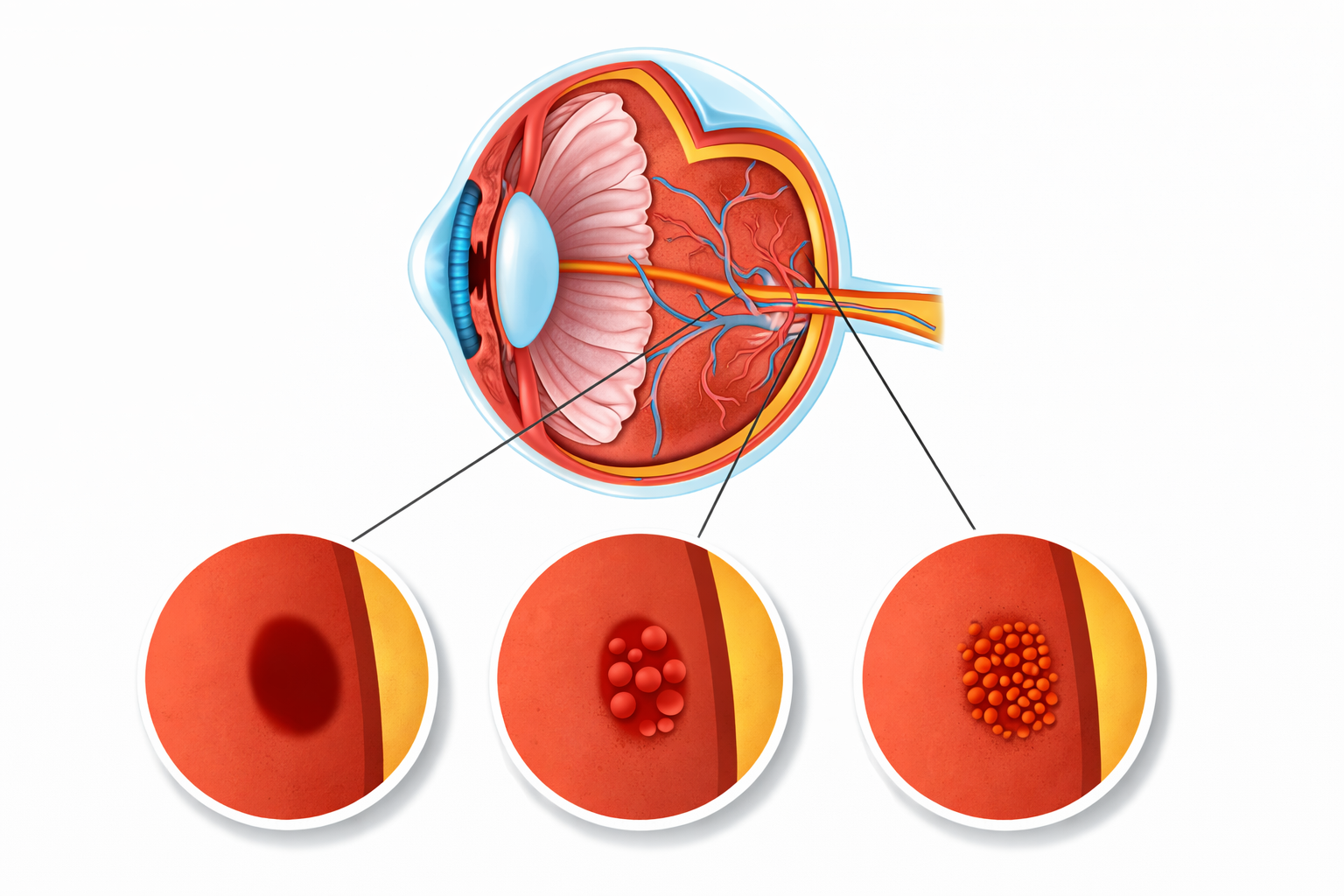
As we age, the macula—the small, central part of the retina responsible for sharp, straight-ahead vision—can begin to deteriorate. This condition, known as Age-Related Macular Degeneration (AMD), is a leading cause of vision loss in adults over 50. While it doesn’t lead to total blindness, it can make everyday tasks like reading, driving, and recognizing faces difficult.
Types of AMD
Dry AMD (Most Common): Affects about 80-90% of cases. It occurs when the macula thins over time, leading to a gradual loss of central vision.
Wet AMD (More Severe): Occurs when abnormal blood vessels grow underneath the retina and leak fluid or blood. This can cause rapid, significant vision damage and requires immediate medical intervention.
Common Symptoms
AMD symptoms often develop gradually in the “Dry” form but can appear suddenly in the “Wet” form. Key signs include:
Wavy or Distorted Lines: Straight lines (like door frames or sentences on a page) appear bent or crooked.
A “Dark Spot” in the Center: You may notice a blurry area or a blind spot in the center of your field of vision.
Muted Colors: Colors may appear less vibrant or washed out compared to before.
Need for Brighter Light: Finding it harder to read or do close-up work without extra illumination.
Difficulty Recognizing Faces: People’s faces may appear blurry while their hair or the background remains clear.
Early Detection at Aditya Eye and Laser Centre
Because early AMD often has no symptoms, regular eye exams are vital. At Aditya Eye and Laser Centre, we use advanced diagnostic tools to protect your sight:
Optical Coherence Tomography (OCT): High-definition imaging to see cross-sections of your retina.
Amsler Grid Testing: A simple but effective tool to monitor for line distortion.
Digital Fundus Photography: To track changes in the macula over time.
Take Control of Your Vision
While there is no permanent cure for AMD, our specialists can help slow its progression through Anti-VEGF injections (for Wet AMD), specialized nutritional supplements, and lifestyle counseling.
Vision Tip: If you notice straight lines looking wavy, please contact us for an urgent consultation. Early treatment is the best way to preserve your vision.
While there is no permanent cure for AMD, our specialists can help slow its progression through Anti-VEGF injections (for Wet AMD), specialized nutritional supplements, and lifestyle counseling.
Vision Tip: If you notice straight lines looking wavy, please contact us for an urgent consultation. Early treatment is the best way to preserve your vision.
Age-Related Macular Degeneration: Causes, Symptoms and Treatment
Age-Related Macular Degeneration is a common eye condition that mainly affects people over the age of 50. It damages the macula, which is the central part of the retina responsible for sharp and clear vision. When the macula becomes damaged, a person may experience difficulty in seeing fine details, reading, or recognizing faces. Early detection and proper eye care are essential to prevent severe vision loss.
One of the main reasons for Age-Related Macular Degeneration is the natural aging process of the eye. Over time, the cells in the retina begin to weaken, which can affect the macula. Other factors such as smoking, high blood pressure, obesity, and a family history of eye diseases can also increase the risk of developing this condition. Maintaining a healthy lifestyle and regular eye examinations can help reduce the risk.
The symptoms of this eye disease may develop slowly and may not be noticeable in the early stages. Common signs include blurred or distorted central vision, difficulty reading small text, and seeing dark or empty spots in the center of vision. Straight lines may appear wavy or bent. If these symptoms appear, it is important to consult an eye specialist immediately because early diagnosis of Age-Related Macular Degeneration can help slow down the progression of the disease.
There are two main types of this condition: dry macular degeneration and wet macular degeneration. Dry macular degeneration is more common and develops slowly over time. Wet macular degeneration is less common but more serious because abnormal blood vessels grow under the retina and may cause rapid vision loss. Proper medical evaluation is necessary to determine the type and severity of the condition.
Modern eye care technology has made it possible to diagnose and manage this condition effectively. Eye doctors use advanced diagnostic tests such as retinal imaging, OCT scans, and detailed eye examinations to detect early signs of damage. Treatments may include medications, injections, lifestyle changes, and nutritional supplements to protect the retina and preserve vision.
Regular eye checkups play a very important role in preventing serious vision problems. People over the age of 50 should have routine eye examinations to ensure early detection and treatment. If diagnosed at an early stage, Age-Related Macular Degeneration can often be managed successfully with proper medical care and monitoring.
In conclusion, protecting eye health should always be a priority, especially as we grow older. Awareness about eye diseases and timely medical attention can help prevent permanent vision loss. With modern treatment options and expert care, many patients with Age-Related Macular Degeneration are able to maintain their quality of life and continue their daily activities without major difficulties.